





Unlike most cells in the body, which are continuously replaced through active self-renewal, pancreatic β cells are largely long-lived and quiescent – many of the β cells we carry today have been with us for decades. This unique biology raises a fundamental question: how do β cells maintain their identity and function over such extended timescales, while remaining responsive to changing metabolic and environmental cues?
Our lab investigates this question through the lens of chromatin biology. Gene expression is governed not only by transcription factors, but by the accessibility of the genome itself – determined by the dynamic packaging of DNA and histones into chromatin. Because β cells rarely divide, they must rely on a particularly robust and tightly regulated chromatin machinery to preserve their identity across a lifetime, rather than re-establishing it through cell turnover.
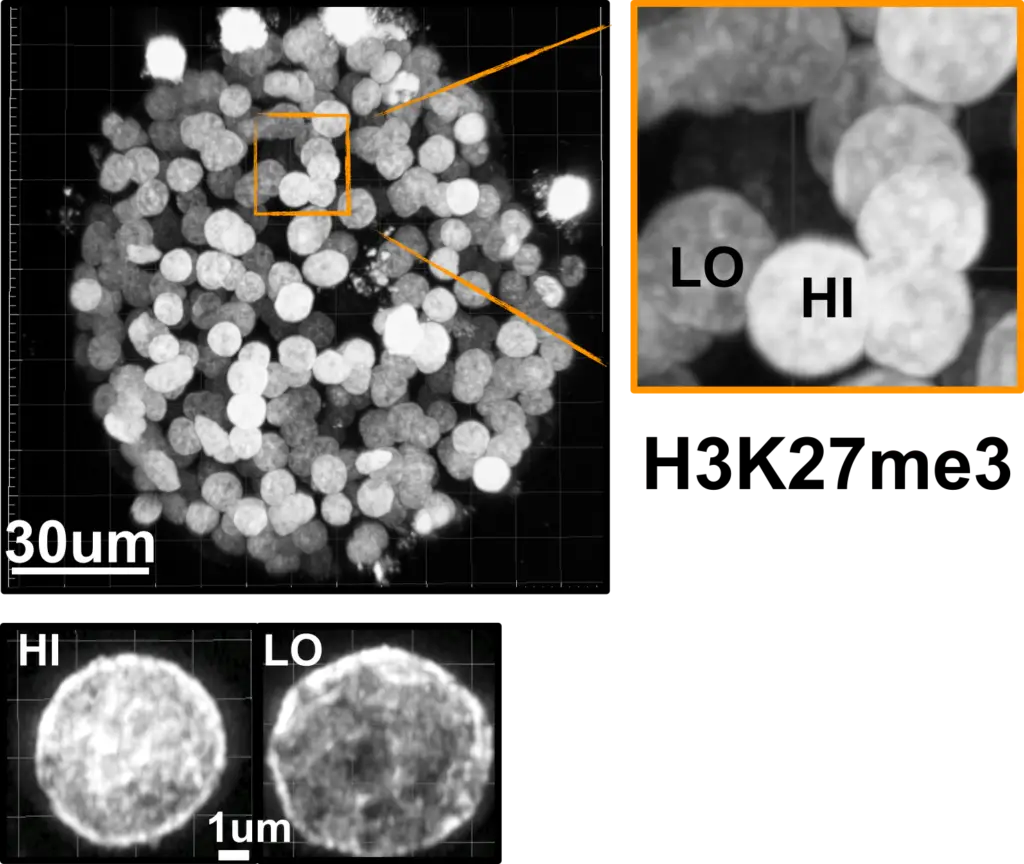
We focus in particular on H3K27me3, a repressive histone modification we consider a key guardian of β cell identity. Our earlier work revealed that β cells exist in at least two chromatin states – high and low H3K27me3 – each associated with distinct metabolic and functional properties. Notably, one of these states is enriched in diabetes, raising a central question that drives our current research: does this enrichment arise from selective expansion, differential survival, or active conversion between states?
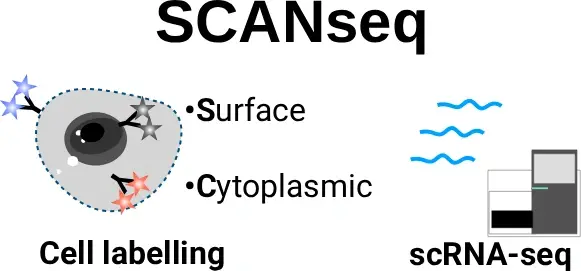
To address this, we are investigating all three possibilities, with a particular focus on the chromatin dynamics underlying these transitions and how they might be therapeutically manipulated, using both pharmacological agents and genetic tools. To support this work, we developed SCAN-seq, a method that allows us to simultaneously record chromatin state, gene expression, and cell identity within the same single cells. Using this approach, we have already demonstrated successful manipulation of β cell chromatin states, and we are now working to determine how this capability can be leveraged to improve β cell resilience and function in diabetes.